William Morris & Fyodor Dostoevsky

Ideas of Morris and Dostoevsky are Still Relevant!
William Morris and Fyodor Dostoevsky were vastly different in terms of their backgrounds but they continue to resonate with their readers. Both Morris and Dostoevsky were deeply concerned with the dehumanisation of individuals either through industrial capitalism or through psychological despair. While Morris's main focus was on the impact of mass production on creativity and labour, Dostoevsky delved into the struggles of human soul and existential dilemmas. William Morris had championed the idea of craftsmanship over machine-driven mass production and believed that beauty and utility should coexist in everyday objects. His vision is reflected today in the resurgence of slow fashion, ethical consumerism and sustainable design. Dostoevsky saw art as means of exploring the complex nature of human life as his characters struggle with guilt, redemption and search for meaning. Both of them argued that it is true art that should serve as a higher purpose i.e. to liberate oneself, to question the norms and to inspire others and masses.
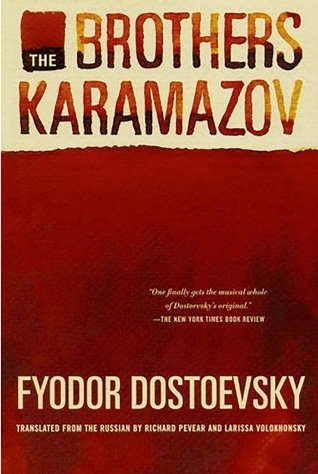
Both Dostoevsky's most notable works: Crime and Punishment; and The Brothers Karamazov dive into deep questions of justice, guilt and redemption.
Likewise, Morris's socialist ideals emphasise fairness and dignity in labour- a concept that aligns with modern discussions on rights of the workers, fair wages and work-life balance.
Morris's vision of craftsmanship over mass production resonates now more than ever. In an age where efficiency is worshipped and disposability defines consumption, his call for beauty, utility, and dignity in labor feels almost radical.
I find myself drawn to the concerns that despite belonging to different eras, their ideas remain strikingly relevant today. Both were grappled with dehumanisation of individuals- through relentless machinery of industrial capitalism. The resurgence of slow fashion, ethical consumerism, and sustainable design speaks to an unspoken longing- a need to reclaim something lost in whirlwind of mass manufacturing. I see Dostoevsky's world everywhere- his questions about justice, morality, and redemption haven't faded with time.
I can't help but wonder that in an era of speed and efficiency, are we listening to the voices that once warned us about the costs of such pursuits? or Are we simply moving forward unaware of what we are leaving behind?


Comments
Post a Comment